What It’s Like To Live In Oak Park
May 14, 2026
May 14, 2026
If you want a suburb that feels connected, character-filled, and easy to navigate without giving up access to Chicago, Oak Park usually lands on the shortlist fast. You may be wondering whether it really lives up to the reputation, especially if you are balancing commute time, housing style, daily convenience, and long-term fit. The good news is that Oak Park offers a very distinct lifestyle, and understanding how it works day to day can help you decide if it matches what you want. Let’s dive in.
Oak Park is a compact village of about 54,583 residents spread across just 4.7 square miles. That small footprint shapes daily life in a big way. Instead of one giant downtown dominating everything, you get a neighborhood-oriented pattern where errands, restaurants, parks, and community spaces are woven through the village.
The Village of Oak Park describes the community as urban-suburban, with tree-lined streets, active business districts, and convenient regional transit access. In practice, that often means your routine can feel local and efficient. You may not need to drive far, or at all, for many everyday needs.
One of the clearest things you notice about Oak Park is how much activity is spread across multiple districts. The village highlights 12 business districts, and several are designed in a way that feels easy to stroll or bike through. That gives different parts of town their own rhythm while still keeping services and dining close by.
A few of the best-known districts help show the range:
For you, this can translate into a lifestyle where grabbing coffee, meeting friends, browsing local shops, or running quick errands feels built into the community rather than separated from it.
Oak Park stands out because transit is not just available. It is deeply integrated into how many residents move through the village and into the city. The Village says Oak Park is served by the CTA Blue and Green Lines, CTA bus routes 72, 86, 90, and 91, several Pace routes, and Metra’s Union Pacific West Line.
That level of access gives you options. If you commute into Chicago, want flexibility for city trips, or simply prefer not to rely on a car for every outing, Oak Park supports that better than many suburban communities. The main rail stops are also easy to identify, including the Green Line station at 100 S. Oak Park Ave., the Blue Line station at 950 S. Oak Park Ave., and the Metra station at 1115 W. North Blvd.
Transit is only part of the mobility story. Oak Park also maintains neighborhood greenways, bike racks, and covered bicycle parking near the CTA and Metra intermodal area. The village also notes that bikes are allowed on CTA and Metra buses and trains outside weekday rush hours.
That matters because many people are not looking only at the work commute. You may also be thinking about grocery runs, library trips, dinner plans, recreation, or getting around on weekends. Oak Park supports those shorter local trips in a way that makes car-light routines realistic for many households.
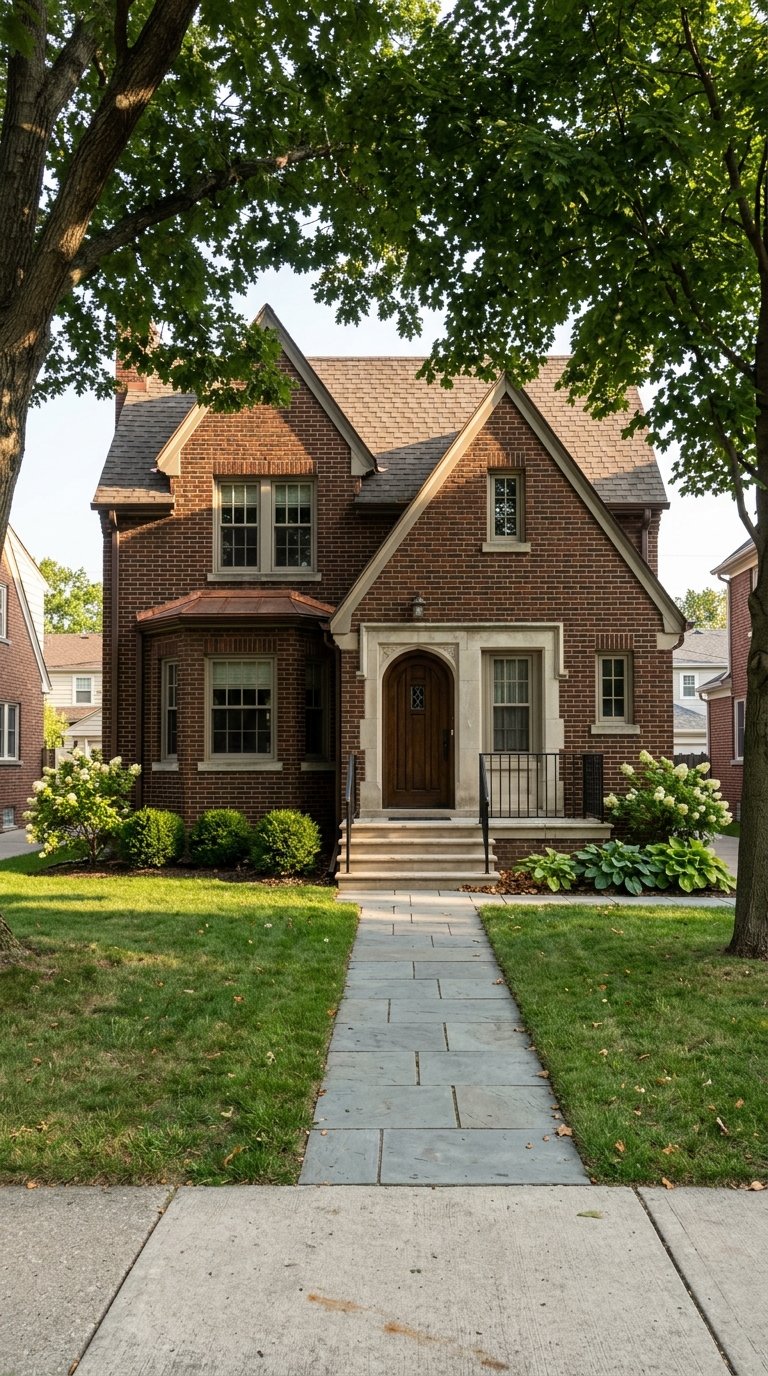
If you spend any time in Oak Park, the housing stock is impossible to ignore. This is a place where architecture is part of daily life, not just something people mention in brochures. The village says Oak Park has three historic districts, more than 70 locally recognized landmarks, 11 individually listed National Register resources plus one park, and the largest concentration of Prairie School architecture in America, including 25 Frank Lloyd Wright designs.
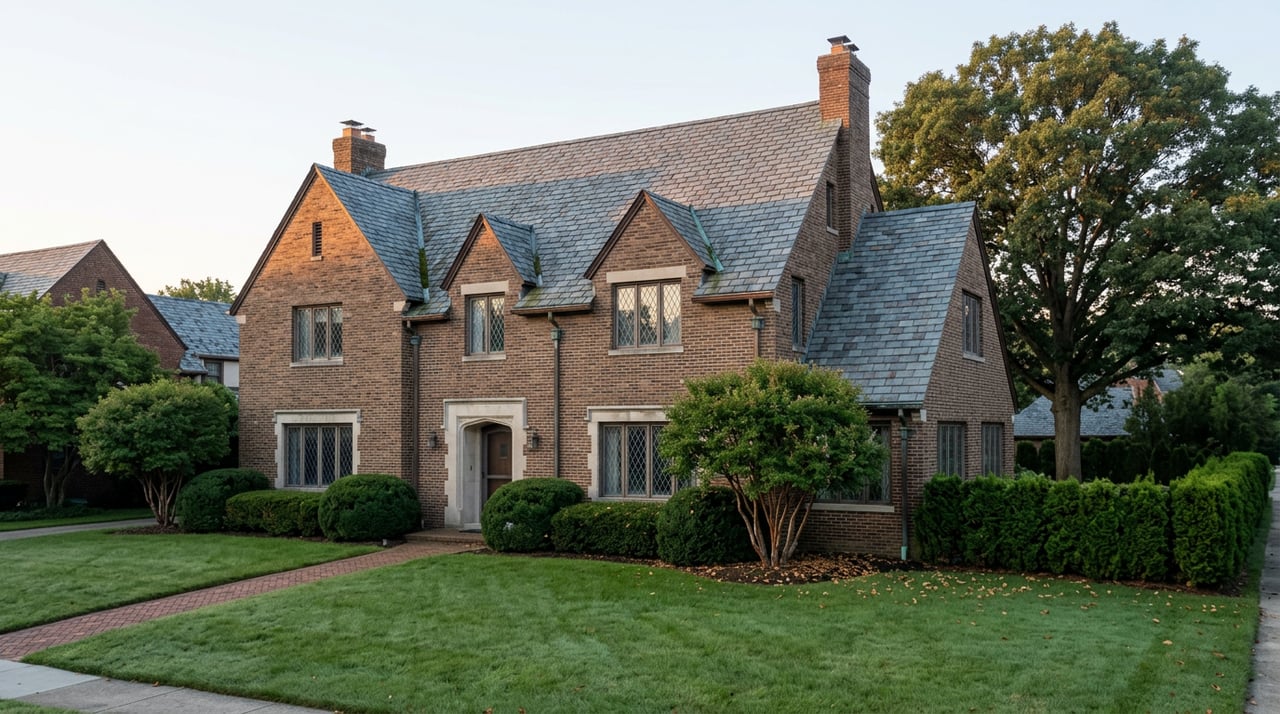
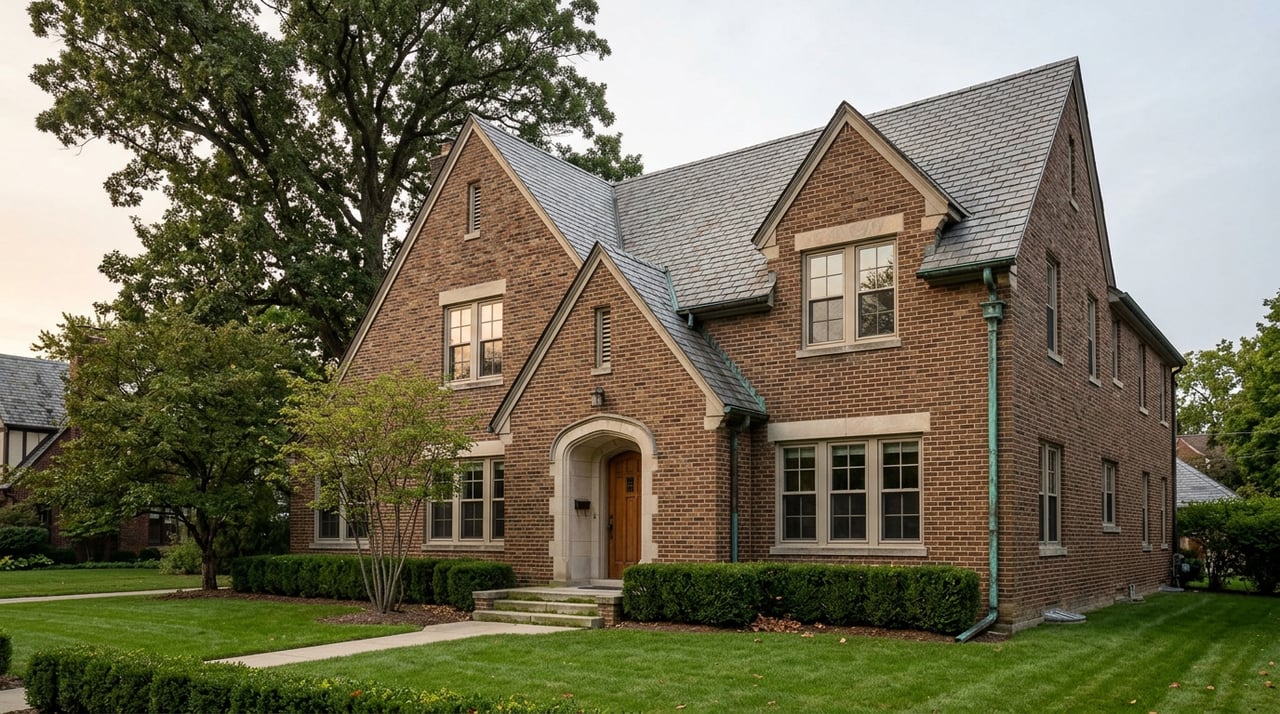
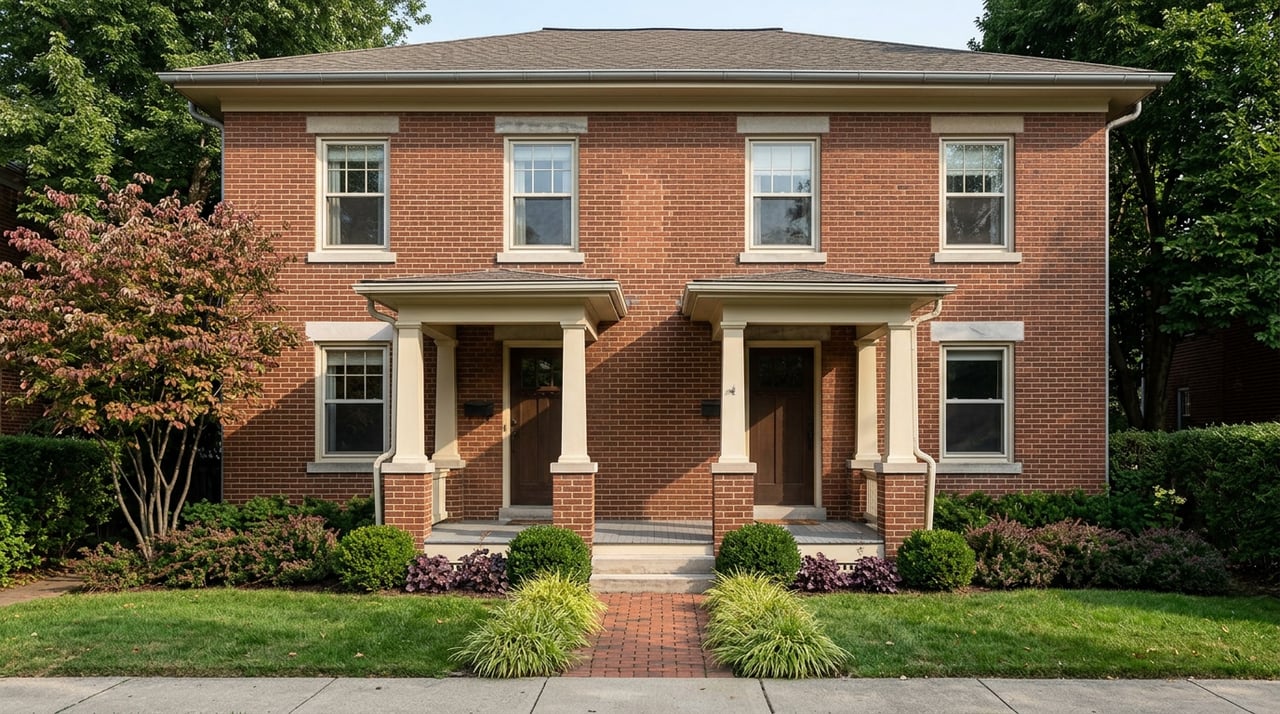
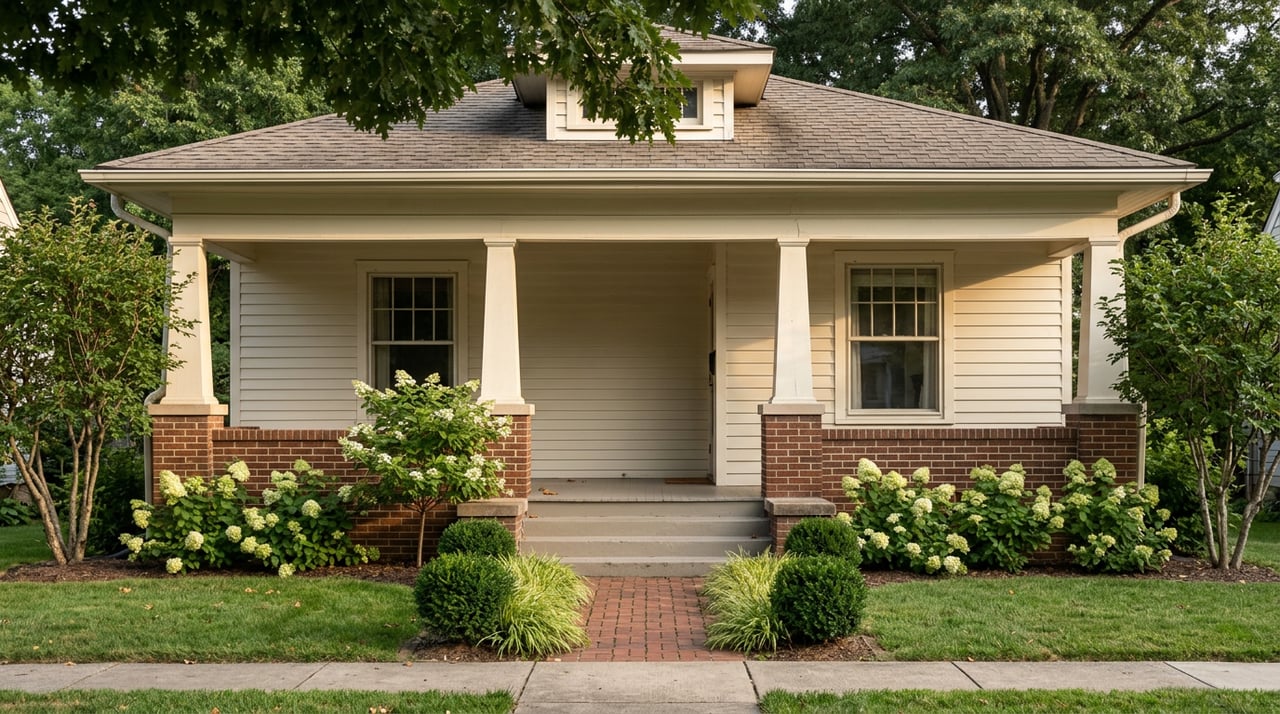
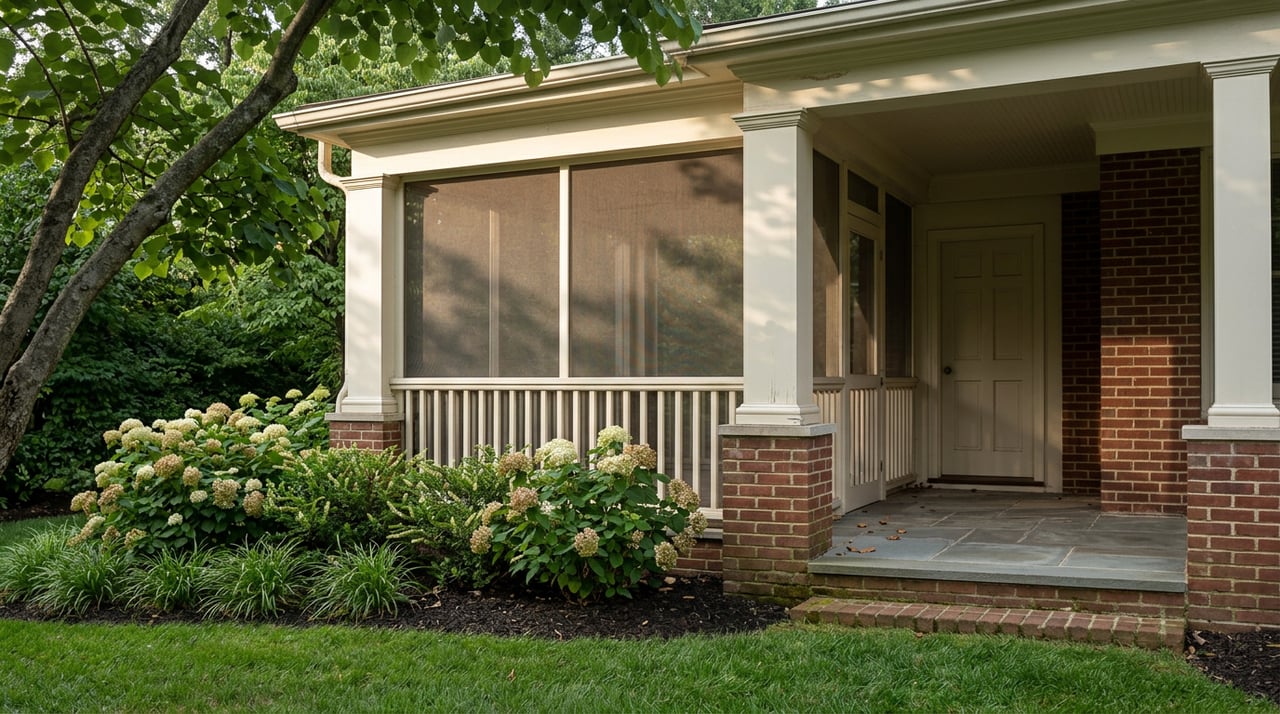
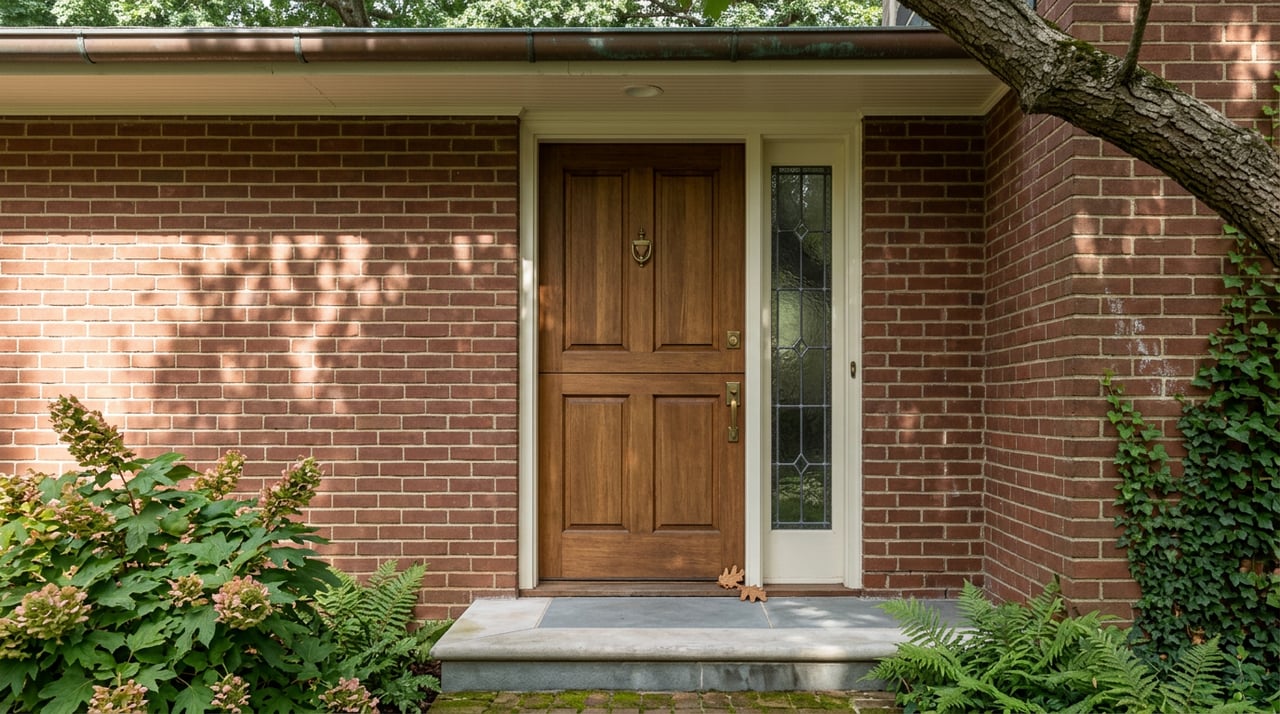
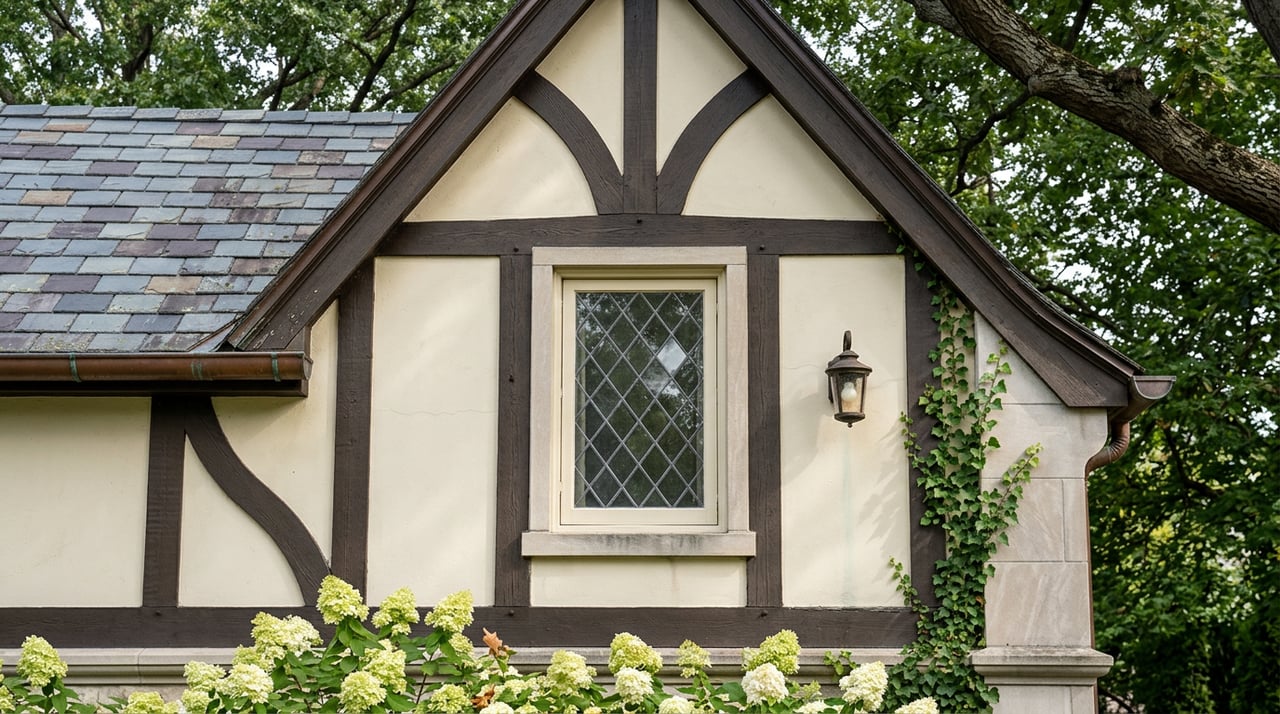
You also see that variety block by block. Oak Park includes Victorian houses, bungalows, American Foursquares, Colonial Revival homes, brick apartment buildings, two-flats, condos, and townhomes. The result is a housing landscape that feels layered, mature, and visually distinctive.
For many buyers, this is a major draw. If you value original character, established streetscapes, and homes with detail and history, Oak Park offers a lot to explore. The built environment is one of the reasons the village feels so different from newer suburban areas.
At the same time, older housing often comes with more planning. Maintenance, updates, and renovation decisions can look different here than they would in a newer subdivision. That is especially important if you are comparing Oak Park with communities where the housing stock is more recent.
Charm and preservation often go together in Oak Park. The Village says exterior work in historic districts is reviewed for compliance, and some projects require a Certificate of Advisory Review or a Certificate of Appropriateness. That can make additions, exterior changes, and demolition decisions more structured.
This does not mean buying in Oak Park is difficult. It does mean you should understand the property’s context before making plans. If you are drawn to historic homes, it helps to go in with a clear view of what ownership may involve.
Oak Park’s housing identity is not only about preservation. It is also about ongoing maintenance and support. The Village points residents to fair housing resources, homeowner programs, rental guidance, condo-management support, a Housing Trust Fund, and monthly first-time homebuyer seminars at Village Hall.
The village’s code-compliance page also says inspectors annually review the exteriors of single-family, two-flat, and three-flat residences for signs of deterioration and deferred maintenance. That tells you something important about the local standard. In Oak Park, property upkeep is a visible part of community life.
For a village this size, Oak Park offers a strong recreation network. The Park District says it serves more than 53,000 residents and operates 18 parks totaling 84 acres, seven recreation centers, two outdoor pools, and a year-round skating facility. That gives you a lot of options for everyday recreation close to home.
Ridgeland Common Recreation Complex is one of the major hubs, with a regulation-size ice arena, an outdoor pool, and multipurpose rooms. The Oak Park Conservatory is another standout, with more than 3,000 plants and roughly 40,000 annual visitors. Whether you like structured activities or simply want appealing public spaces nearby, Oak Park delivers a lot within a small footprint.
Many buyers want to know what a place feels like beyond the housing stock. In Oak Park, the answer often comes back to civic life. The village promotes annual and recurring events like A Day in Our Village, Thursday Night Out, and the Oak Park Farmers’ Market.
These are not minor extras. They help shape the weekly and seasonal rhythm of living here. The Farmers’ Market runs on Saturdays in season at 460 Lake Street, and A Day in Our Village brings more than 100 local organizations into Scoville Park, which reflects how active and visible community participation is.
Oak Park also offers strong day-to-day infrastructure. Oak Park Public Library includes a Main Library plus the Dole and Maze branches, and the library says all three locations are ADA-compliant. The Village website also points residents to housing, disability-access, and public-health resources.
That may sound basic, but it matters. When you are evaluating a place to live, it is often the combination of practical public services and easy access to community amenities that makes daily life feel manageable.
Oak Park can appeal to a wide range of buyers, but a few lifestyle patterns stand out. It tends to be a strong fit if you value architecture, mature neighborhood fabric, and access to Chicago without living in the city itself. It can also work well if you want a walkable or transit-connected routine and like the idea of local business districts instead of one car-dependent commercial strip.
It may be especially appealing if you are comfortable with older homes and understand that preservation-aware maintenance can be part of ownership. If you want newer construction with fewer exterior-review considerations, your search criteria may need to be more specific. But if you are looking for character, convenience, and a strong sense of place, Oak Park offers a compelling mix.
The best way to describe Oak Park is that it feels established, active, and highly local. You get tree-lined streets, distinctive architecture, multiple business districts, robust transit, and a dense collection of parks, events, and civic resources in just a few square miles. That combination gives the village a lifestyle that feels both connected and personal.
If you are considering a move here, the most important question is not just whether Oak Park is popular. It is whether its older housing stock, preservation mindset, and neighborhood-oriented layout fit the way you want to live. For many buyers, that answer is yes, especially when they want character and convenience in the same place.
If you are thinking about buying or selling in Oak Park, working with a team that understands historic housing, block-by-block differences, and how people actually live in the village can make the process much smoother. Zak Knebel | ZK Group offers the kind of hyperlocal guidance that helps you evaluate not just the home, but the fit.
Stay up to date on the latest real estate trends.


From the first consultation to closing, we are with you every step of the way. With deep local market knowledge, transparent communication, and an unwavering commitment to excellence.