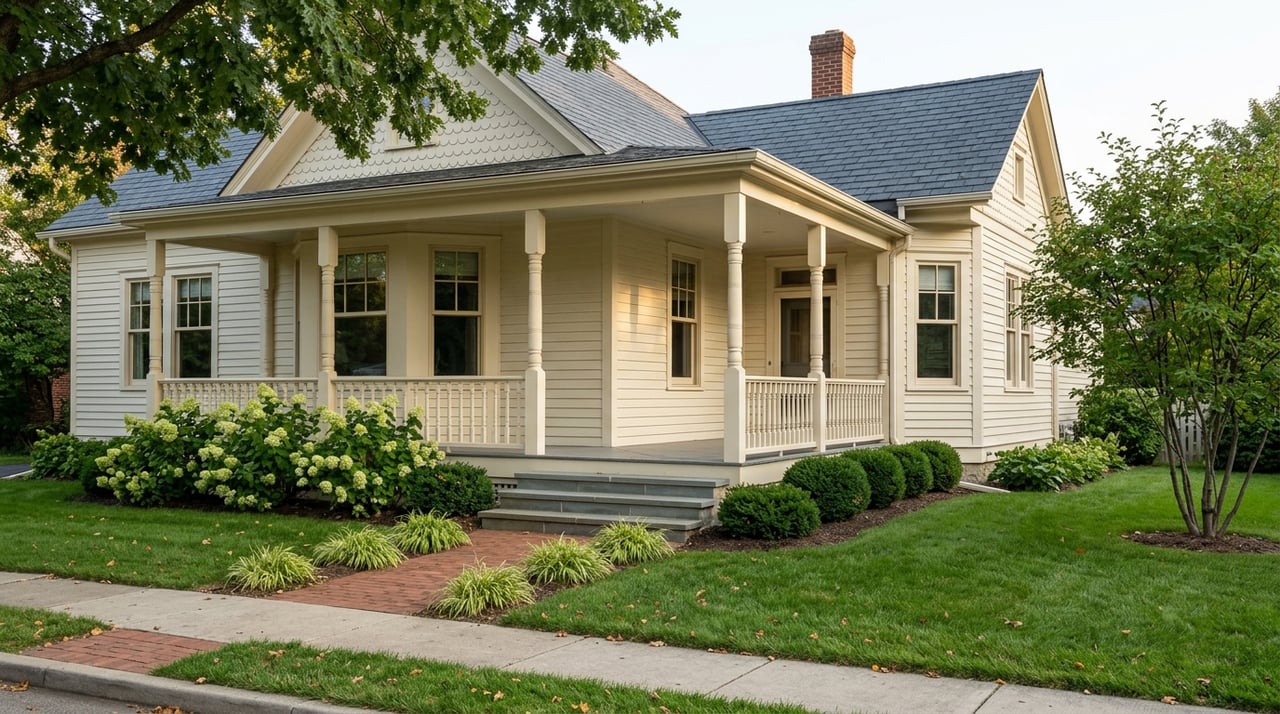
Moving From Chicago To Oak Park: What To Expect
July 2, 2026
July 2, 2026
Thinking about moving from Chicago to Oak Park? You are not alone, and the shift is often less dramatic than it sounds. Because Oak Park borders Chicago directly on the east, many buyers find that the move feels more like a change in pace and housing style than a total reset. If you are weighing convenience, commute, home style, and day-to-day logistics, this guide will help you understand what to expect before you make the move. Let’s dive in.
One of the first things you will notice is scale. Oak Park covers about 4.7 square miles and had 54,583 residents in the 2020 Census, while Chicago spans 227.73 square miles with a population of 2,746,388.
That size difference shapes the experience of daily life. Oak Park often feels more compact and village-centered, with a smaller footprint to learn and a more localized rhythm. If you are coming from Chicago, that can feel like a welcome simplification without giving up metro access.
A common concern for Chicago buyers is whether moving west means losing easy transportation. In Oak Park, transit is one of the biggest reasons the move can work well.
The Village says Oak Park is served by CTA Blue and Green rail lines, Metra’s Union Pacific West line, CTA bus routes 72, 86, 90, and 91, plus several Pace routes. Oak Park also has direct access to I-290 through Austin Boulevard and Harlem Avenue.
The CTA Green Line station at 100 S. Oak Park Ave. starts weekday service at 4:48 a.m., with trains every 8 to 10 minutes during rush periods and a last weekday train at 2:04 a.m. The CTA Blue Line also provides 24-hour service between O’Hare and Forest Park through downtown, with an Oak Park stop.
On a broad level, the average travel time to work is not drastically different. Census data shows a mean commute time of 31.6 minutes in Oak Park versus 33.1 minutes in Chicago. That does not predict your exact trip, but it does show that a move to Oak Park does not automatically mean a longer average commute.
For many Chicago movers, the financial picture is one of the biggest adjustments. Oak Park’s housing and income figures are generally higher than Chicago’s overall.
Census data shows Oak Park’s owner-occupied rate is 60.0% compared with 46.0% in Chicago. The median owner-occupied home value is $465,500 in Oak Park versus $334,100 in Chicago, and median gross rent is $1,593 compared with $1,440.
Recent CMAP home-purchase-loan data puts the median purchase price for new homebuyers in Oak Park at $430,000, compared with $325,000 across Cook County overall. In practical terms, you may be paying more for the move, so it helps to get clear early on about what tradeoffs matter most to you.
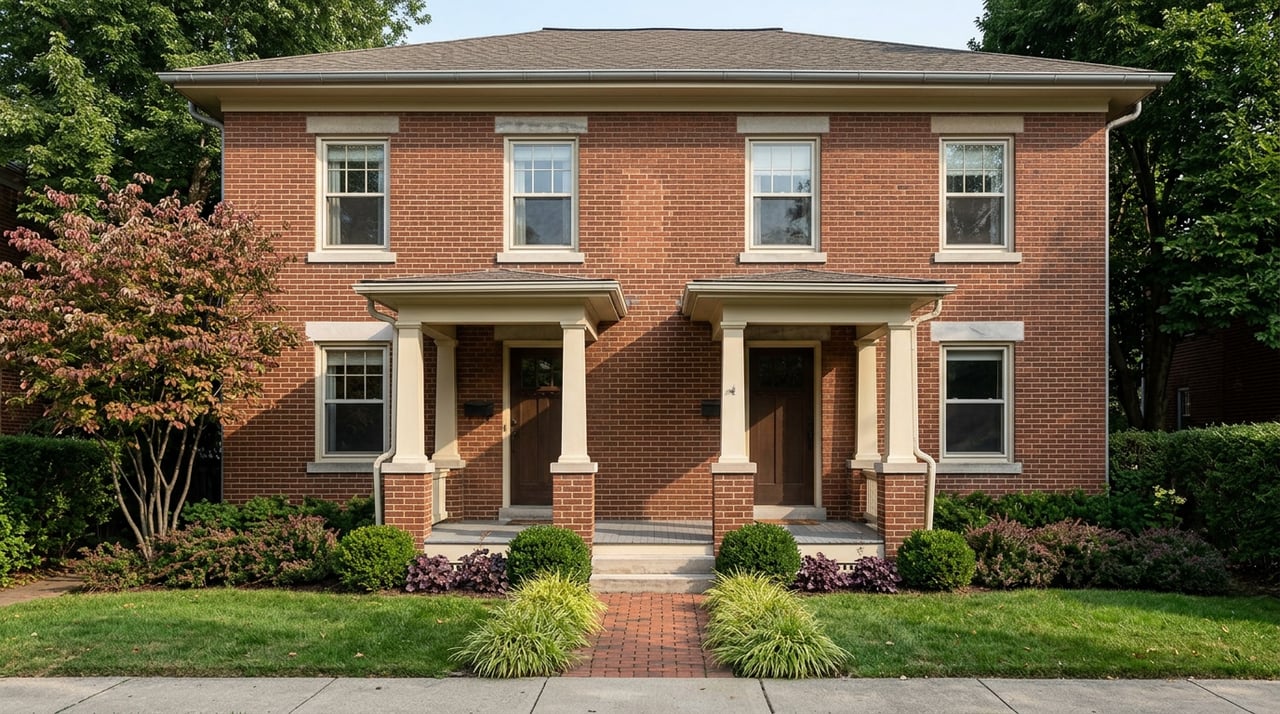
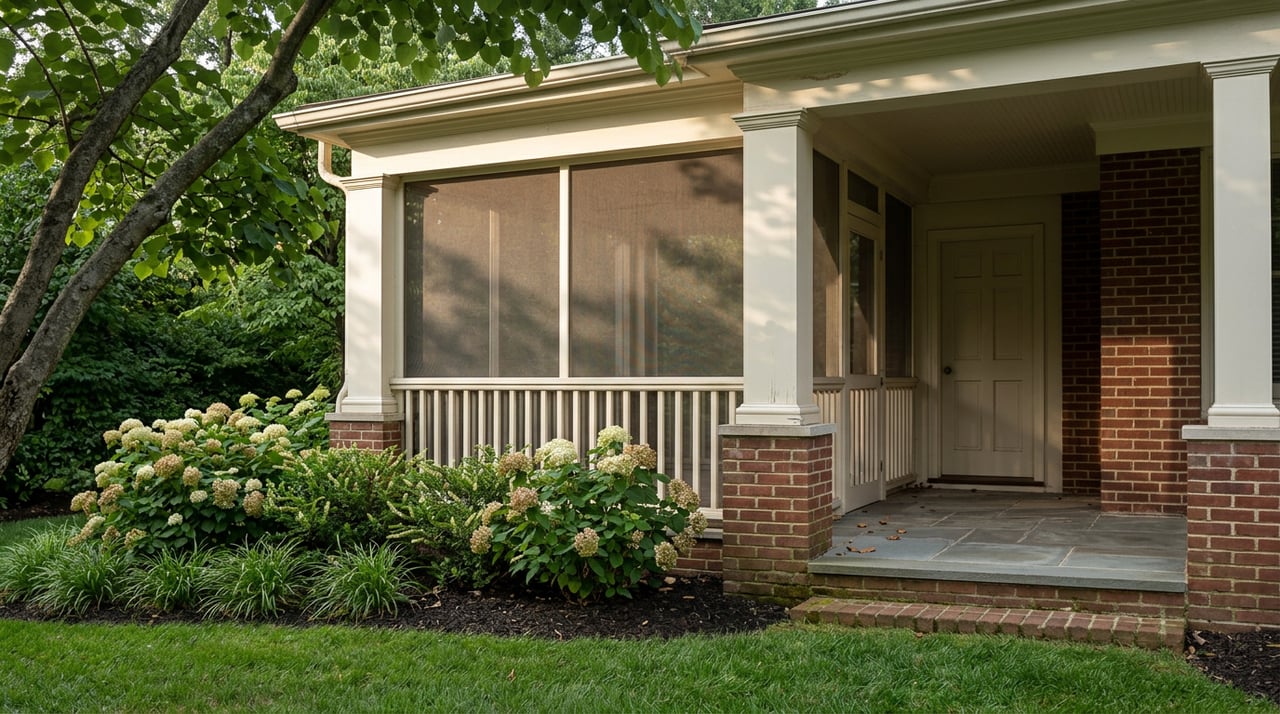
If you picture Oak Park as only a single-family suburb, the reality is more varied. The housing stock includes detached homes, condos, apartments, and larger multi-unit buildings.
CMAP data shows 39.7% of Oak Park housing units are single-family detached, and 25.4% are in buildings with 20 or more units. That mix can be helpful if you want options beyond one housing type.
Compared with Chicago overall, Oak Park is more owner-occupied, but it still has a meaningful condo and apartment market. That gives buyers from the city a wider range of entry points, whether you are moving from a rental, a condo, or a smaller home.
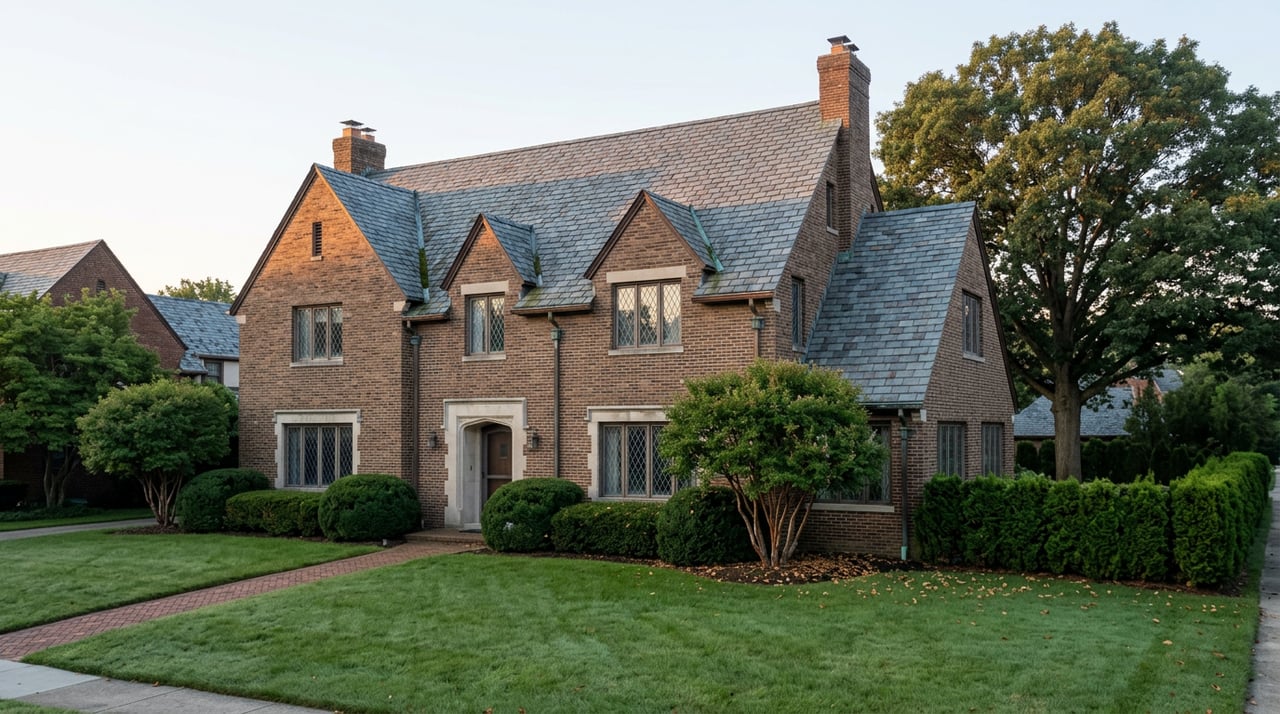
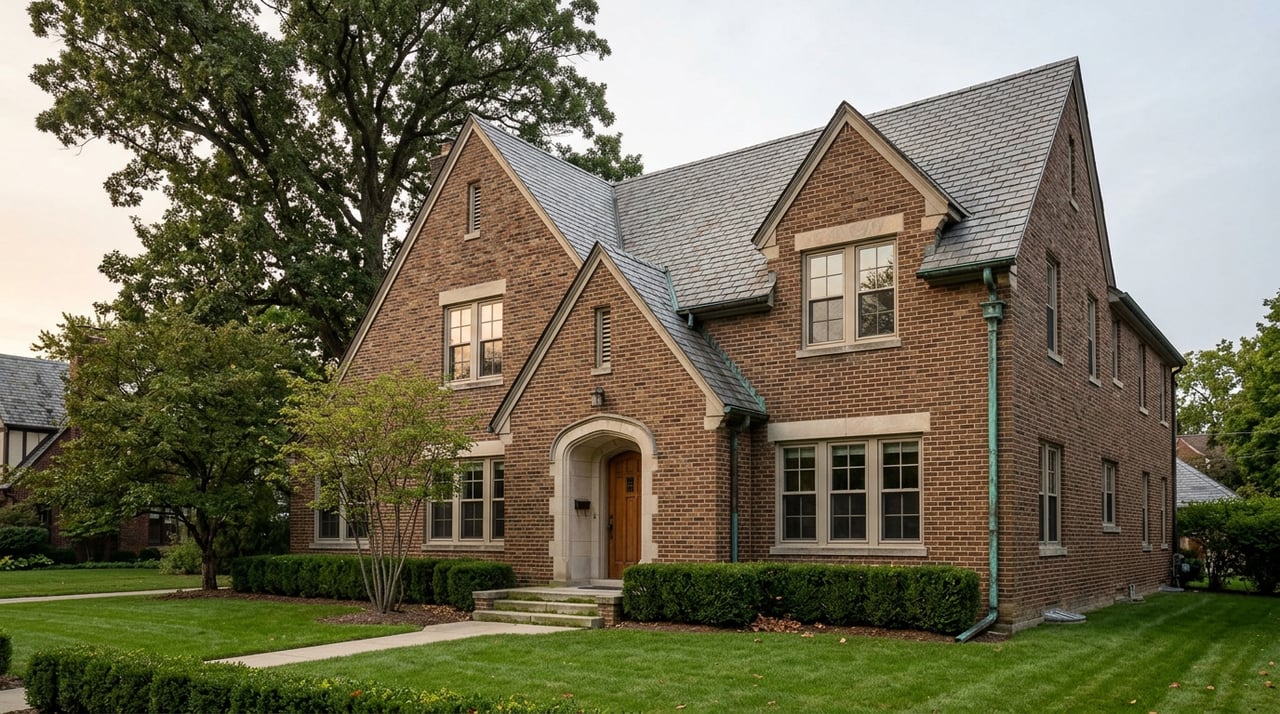
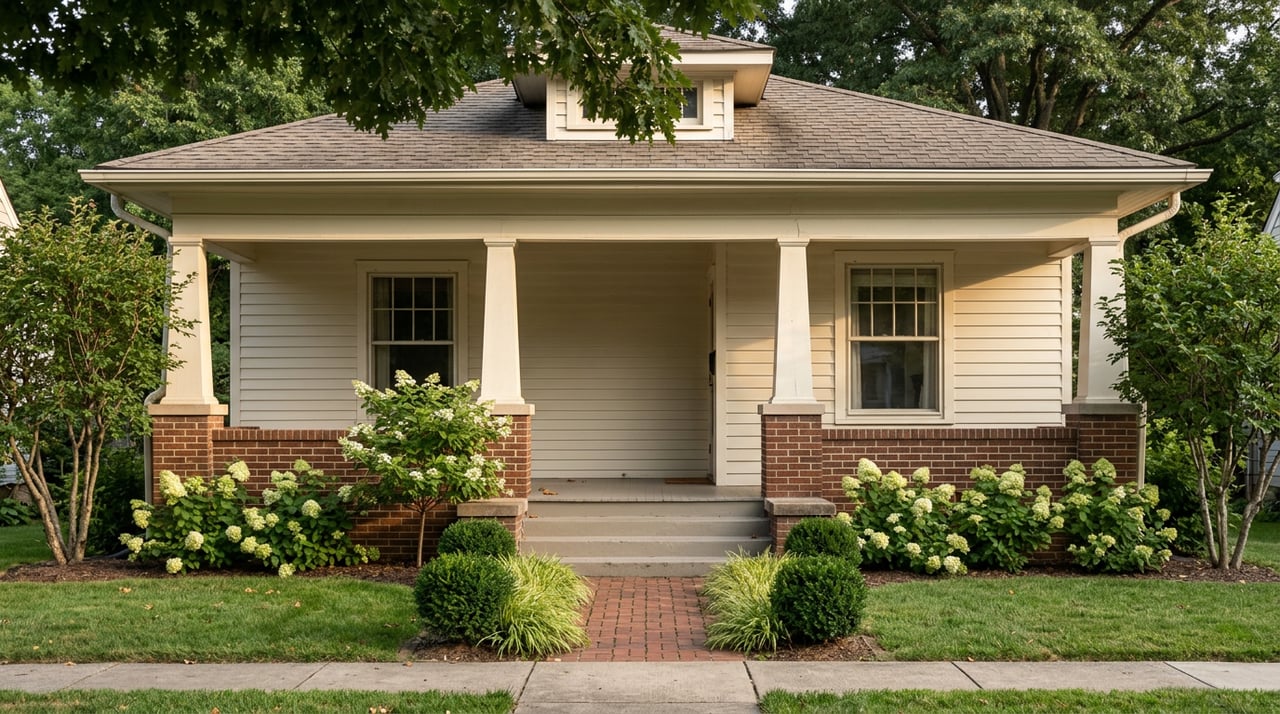
Oak Park is especially well known for its architecture. The Village notes that it is recognized for Queen Anne, Prairie School, and Colonial Revival styles, and it has the largest concentration of Prairie School architecture in America.
The housing stock also runs older than many buyers expect. CMAP reports that 59.3% of housing units were built before 1940, and the median year built is 1938.
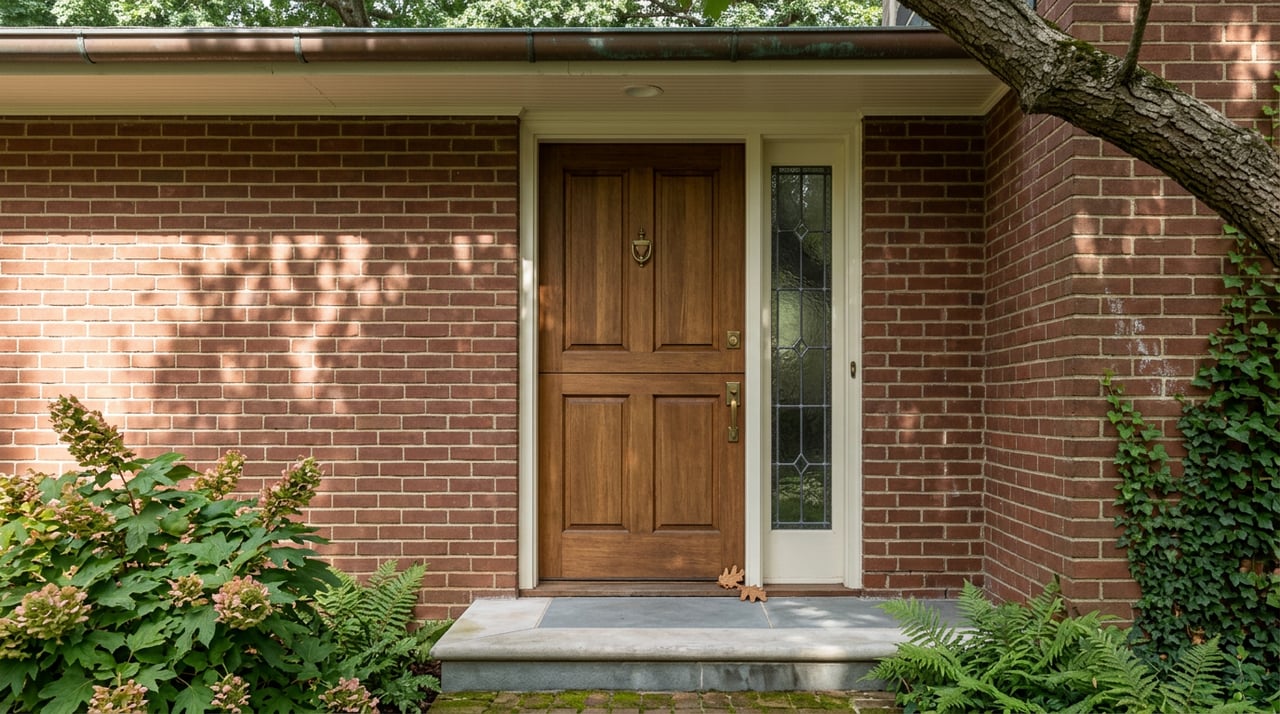
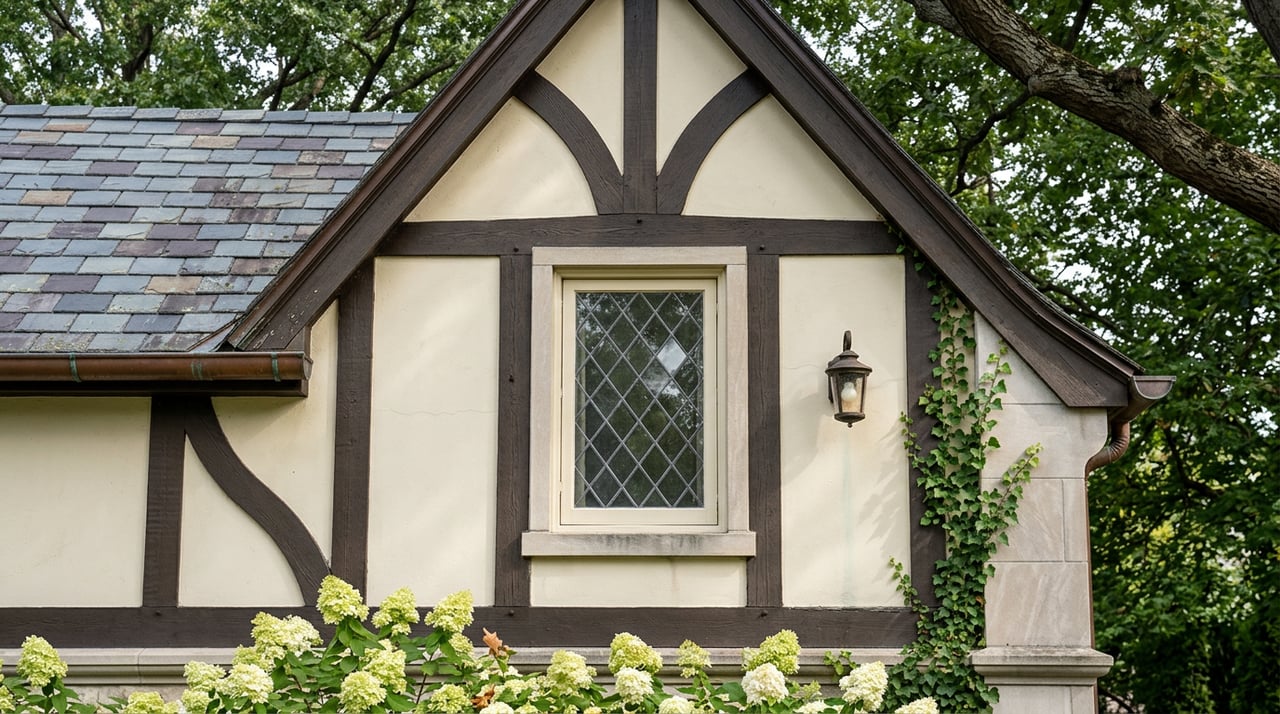
That older inventory is part of the appeal for many Chicago buyers. You may find detailed millwork, historic design elements, and a stronger sense of architectural continuity than in many newer suburban markets.
Character comes with practical considerations. Oak Park has three historic districts that cover about a third of the village, and that can influence what owners can do to a property’s exterior.
According to the Village, the Historic Preservation Commission reviews exterior alterations, additions, new construction, and full or partial demolition in those districts. Building permits within historic districts are also reviewed for compliance with preservation rules.
That does not mean historic homes are harder to own. It does mean you should understand the rules before you buy, especially if you know you want to make exterior changes down the road.
This is one of the most important day-to-day differences between Chicago and Oak Park. Buyers often focus on commute and home style first, then realize parking rules deserve just as much attention.
Oak Park generally prohibits parking from 2:30 to 6 a.m. unless permits or passes apply. The Village also manages resident permit zones, guest passes, off-street lots, garages, and vehicle licensing.
If you are used to a certain parking routine in Chicago, this can take some planning. It is smart to ask about owner parking, guest parking, overnight street parking, and seasonal or special-event rules before you commit to a specific block or building.
If biking matters to you, Oak Park offers a supportive setup. The Village says it has Share the Road signage, bike racks, bike shelters, and covered bicycle parking near the intermodal CTA and Union Pacific station.
The Village also reports that Oak Park was named a Bicycle Friendly Community and updated its Bike Plan in 2025. So while the setting may feel more suburban than parts of Chicago, biking can still fit into your daily routine.
For many buyers, moving from Chicago to Oak Park is about keeping access while changing the pace. You are still close to the city, but the environment often feels more compact, more residential in scale, and more defined by its local center.
You may also notice a different balance in the housing stock. Oak Park leans more owner-occupied than Chicago overall, and its older homes and preservation culture give it a distinctive identity.
The tradeoff is that some logistics become more formal. Parking rules, guest passes, and possible historic-district review are the kinds of details that can shape whether a home feels easy to live in over time.
A move from Chicago to Oak Park tends to go more smoothly when you look beyond the listing photos. The right questions can help you avoid surprises and choose a home that fits how you actually live.
Here are a few smart ones to ask:
These are exactly the kinds of local details that matter in Oak Park. They can make a big difference in how confident you feel about the move.
If you are considering a move from Chicago to Oak Park, having local guidance can make the process much clearer. To talk through neighborhoods, home styles, parking logistics, and what fits your goals, reach out to Zak Knebel | ZK Group.
Stay up to date on the latest real estate trends.


From the first consultation to closing, we are with you every step of the way. With deep local market knowledge, transparent communication, and an unwavering commitment to excellence.