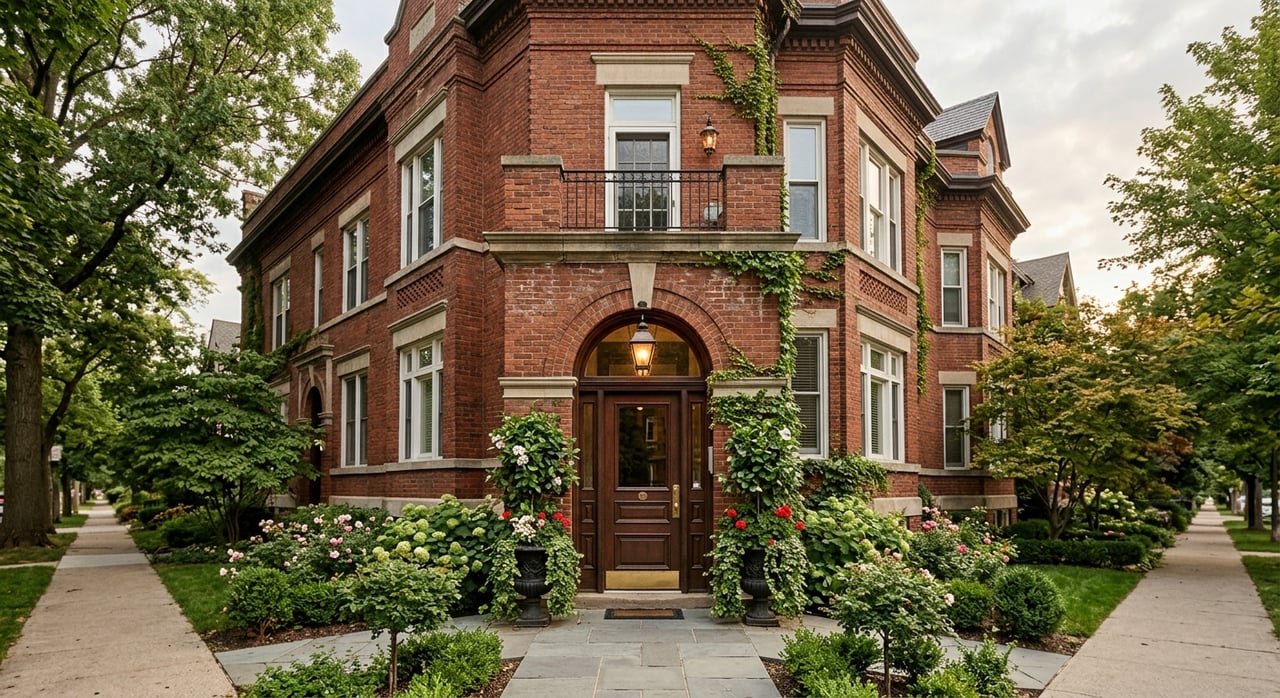
Oak Park Condos And Townhomes Buying Guide
June 18, 2026
June 18, 2026
If you want a way into Oak Park without taking on the price and upkeep of a detached house, condos and townhomes deserve a close look. They can offer a more accessible path into the village, but the right choice depends on more than the list price alone. This guide will help you understand where attached homes are most common, what to watch for with parking and associations, and how to compare options with confidence. Let’s dive in.
Oak Park has a housing mix that stands out from many nearby suburbs. The village has about 52,823 residents in 2025, covers 4.7 square miles, and about half of its roughly 26,000 residential addresses are in multifamily buildings. That helps explain why condos and townhomes play a much bigger role here than many buyers expect.
For many buyers, attached housing is the practical entry point into Oak Park. In the trailing 12 months through April 2026, attached single-family homes had a median sale price of $230,000, compared with $667,000 for detached single-family homes. Oak Park’s 2024 sales analysis showed a similar gap, with average condo sale prices at $226,146 versus $607,327 for single-family homes.
That price difference can open doors, especially if you are moving from a Chicago rental or trying to stay flexible on your monthly budget. Still, Oak Park’s housing plan notes that condo prices and rents have been outpacing incomes, so affordability should be measured carefully. A lower purchase price does not always mean a lower total monthly cost.
If you are hoping to find condos or townhomes evenly scattered across Oak Park, that is usually not how the inventory works. The village’s housing plan says prime downtown sites have largely already been developed, and zoning in business districts can be restrictive. As a result, attached-home supply tends to cluster where larger parcels or planned development sites exist.
Since 2012, Oak Park says 1,751 multifamily units have been approved and built in 17 buildings. Within that total, only three condominium developments totaling 53 units and two townhome developments totaling 43 units were included. That is a useful reminder that newer condo and townhome inventory can be limited.
Examples in the village’s development appendix point buyers toward downtown Oak Park and mixed-use corridors. These include Residence of Maple Place Condo near Chicago Avenue and Maple, District House Condominiums near Lake Street and Euclid, Residence of South Boulevard Condo east of Oak Park Avenue, Lexington Reserve Townhomes at Madison Street and Home, and Oak Park Oasis Townhomes south of Randolph.
For many buyers, the best starting point is downtown Oak Park and the business-district corridors. These areas are where you are more likely to find larger condo buildings, boutique elevator buildings, and some newer attached-home development. Inventory can still be limited, but your search is usually more efficient when it starts in the areas where this housing type is most concentrated.
Transit is a major part of the appeal for many Oak Park condo and townhome buyers. Oak Park describes itself as having convenient access to the CTA Blue and Green lines and the Metra West line. The housing plan also notes that townhome developments within one-half mile of a train station may qualify for reduced parking requirements.
That can affect both your lifestyle and the building itself. If you want an easy commute or a more car-light routine, attached homes near transit may be especially attractive. At the same time, reduced parking requirements can make it even more important to confirm exactly what parking comes with a unit.
Oak Park condo inventory often includes a mix of vintage courtyard buildings and newer or renovated elevator buildings. Features commonly seen in listings include in-unit laundry, private balconies, covered parking, storage lockers, and updated kitchens. Building style, age, and layout can vary a lot from one address to another, so it helps to compare homes by function as much as finish level.
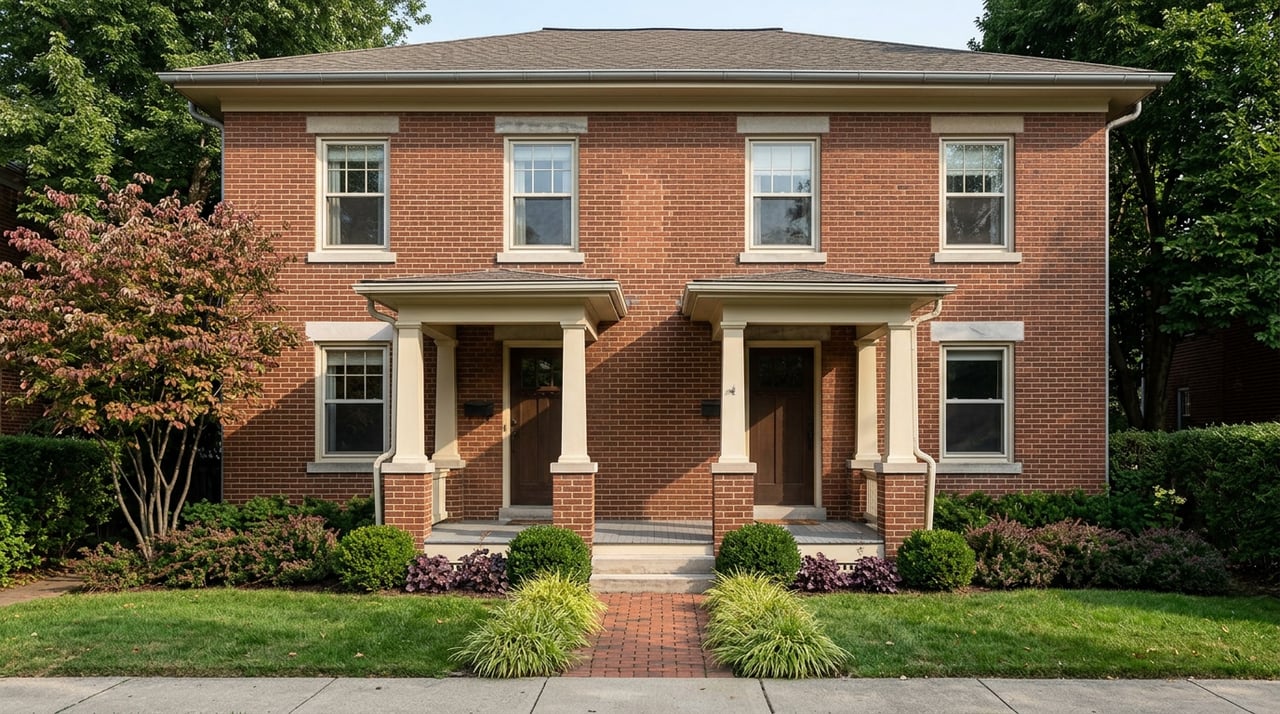
Townhomes often feel closer to single-family living. They tend to be larger, span multiple levels, and may include attached garages, decks or patios, and sometimes private yards. If you want more space without taking on a detached house, a townhome can be a strong middle-ground option.
Parking is one of the most important details to verify before you buy. Oak Park generally prohibits overnight street parking from 2:30 a.m. to 6:00 a.m. unless you have a permit or pass, and designated multifamily areas may use overnight permit parking. That means you should not assume street parking will be your fallback plan.
The village’s housing plan says multifamily or mixed-use buildings are generally required to provide one parking space per dwelling unit, while townhomes or duplexes are generally required to provide two, subject to some transit-based reductions. In practice, that means parking may look very different depending on the building, location, and age of the development.
When comparing homes, ask:
One of the biggest mistakes buyers make is comparing a condo or townhome to a house based only on sale price. In Oak Park, monthly carrying costs can change the picture quickly once HOA dues are added. The village’s 2024 sales analysis found an average condo sale price of $226,146, and a sampled set of 2- to 3-bedroom condos sold in August 2025 had an average monthly association fee of $473.
That does not mean condos are a bad value. It means you should compare the full monthly cost, not just the mortgage payment. HOA dues may cover building maintenance, shared utilities, insurance for common areas, or other services that you would otherwise handle separately in a detached home.
A smart side-by-side comparison should include:
The right attached home should work for both your present needs and your next few years. A condo may be a great fit if you want walkability, transit access, and less hands-on maintenance. A townhome may make more sense if you want extra space, a private garage, and a layout that feels more like a house.
It also helps to think ahead about resale. Rules on rentals, owner-occupancy, parking, and future capital projects can all shape how easy the home is to live in and how appealing it may be to a future buyer. In a competitive market, choosing the right building can matter as much as choosing the right unit.
In Illinois, association review is a core part of buying a condo, and it matters for many townhome communities too. State law requires associations to distribute a proposed annual budget and provide reasonable reserves for capital expenditures and deferred maintenance. Boards must also consider repair and replacement costs, useful life, return on association funds, reserve studies, the impact of assessment increases on owners, and financing or refinancing ability.
For a resale purchase, buyers can request key records including the declaration, bylaws, liens and unpaid charges, anticipated capital expenditures for the next two fiscal years, reserve fund status, financial statements, pending litigation, and insurance coverage. If an association waives all or part of the reserve requirement, that must also be disclosed in the financial statements and in responses to prospective purchaser requests.
For townhome communities governed as common interest communities, Illinois law similarly requires budget notice, financial summaries, and access to records including reserve studies. In short, the association documents are not paperwork to skim. They are one of the best ways to understand the building’s financial health and future risks.
Oak Park has its own condo association requirements on top of state law. Existing and newly established condo associations must register with the village, pay a $10-per-unit annual inspection fee, and undergo biennial inspection of common facilities and one-third of units occupied by someone other than the owner.
The village also offers a condo management program for associations with fewer than 12 units. That program focuses on budgeting for contingencies, meetings and elections, insurance, and governance best practices. For buyers, that local structure is one more reason to look closely at how organized and proactive an association appears to be.
A beautiful kitchen can grab your attention, but the association’s numbers often tell the deeper story. In a village with older housing stock, some smaller condo buildings may face significant maintenance needs and have limited financial capacity to handle them. That is why reserve strength and assessment history matter just as much as finishes.
When reviewing documents, pay close attention to:
A stronger association usually shows stable budgets, realistic reserves, and a clear plan for capital work. It should also be able to explain upcoming projects without confusion or last-minute surprises. That does not mean every building needs huge reserves, but it should show evidence of planning.
Smaller buildings are not automatically riskier, and larger buildings are not automatically safer. What matters is whether the association is budgeting responsibly, communicating clearly, and addressing maintenance before it becomes a larger problem.
Oak Park’s broader market can be competitive, and attached homes often attract buyers who want a lower-maintenance option with good access to transit and daily conveniences. That means the right unit can move quickly. Preparation matters.
If you are serious about buying, it helps to get clear on your monthly comfort zone early, narrow your preferred building types, and know which tradeoffs matter most to you. For one buyer, that may be elevator access and covered parking. For another, it may be a townhome with a garage and outdoor space.
The goal is to move quickly without skipping the details that protect you. In Oak Park, that usually means balancing speed with careful review of the association, parking setup, and likely future costs. A calm, informed strategy can help you compete without feeling rushed into the wrong fit.
If you are weighing condos versus townhomes in Oak Park, local context makes a real difference. From where inventory tends to cluster to how parking and HOA health affect daily life, the best decision usually comes from looking beyond the photos and understanding how the property works over time. When you are ready for tailored guidance, Zak Knebel | ZK Group can help you compare options and buy with clarity.
Stay up to date on the latest real estate trends.


From the first consultation to closing, we are with you every step of the way. With deep local market knowledge, transparent communication, and an unwavering commitment to excellence.